Almost nobody in this industry will publish a number. Search for helical pile pricing and you get page after page of contact forms, because the honest answer has variables in it and variables are harder to sell than silence.
We manufacture helical piles. We do not install them, which means we have no bid to protect and no reason to be vague. Here is what the work actually costs, what moves the number in either direction, and how to read a quote so you know whether you are looking at a good price or a low one.
If you are new to the system itself, start with What Are Helical Piles? and come back. This post assumes you already know what a helix plate does.
01What does a helical pile cost per pile?
Cost tracks the application more than anything else, because the application decides the load, and the load decides the steel.
| Application | Typical installed cost | What drives it |
|---|---|---|
| Deck, porch, or accessory structure | $350 to $700 per pile | Light loads, shallow depth, fast crew day |
| New construction addition or light commercial | $500 to $1,200 per pile | Larger shafts, engineered layout, permit and inspection |
| Solar and utility scale arrays | Lowest per unit cost on the board | Volume amortizes mobilization across hundreds of piles |
| Marine, dock, and boardwalk | $2,500 to $3,500 per pile | Lateral load design, corrosion protection, restricted access |
| Foundation repair and underpinning | $2,000 to $4,000 per pier | Retrofit brackets, excavation, lift operations, depth uncertainty |
| Full residential underpinning project | $15,000 to $30,000 total | Five to ten piers is the common range |
Across the whole deep foundation category, installed pricing runs about $50 to $300 per linear foot, with drilled shafts sitting at the top of that band. Helical work generally comes in under it on the projects it is suited for, which is the point of the deep foundation comparison published last month.
02Why does foundation repair cost so much more than new construction?
Same steel, same helix, same drive head. Five times the price. The difference is everything that happens around the pile.
On new construction, a crew arrives at open ground, sets a pile, caps it, and moves to the next one. On a repair, the crew hand digs to expose the existing footing, mounts a retrofit underpinning bracket to concrete that was poured decades ago, installs the pier through restricted overhead clearance next to a standing structure, then runs a coordinated hydraulic lift across multiple piers at once to bring the structure back toward level without cracking it further.
That is excavation, structural attachment, confined space installation, and a lift operation stacked onto the pile. The pile is a small fraction of the ticket.
03What actually drives the number on a quote?
Seven variables account for nearly all of the spread between a $400 pile and a $4,000 pier.
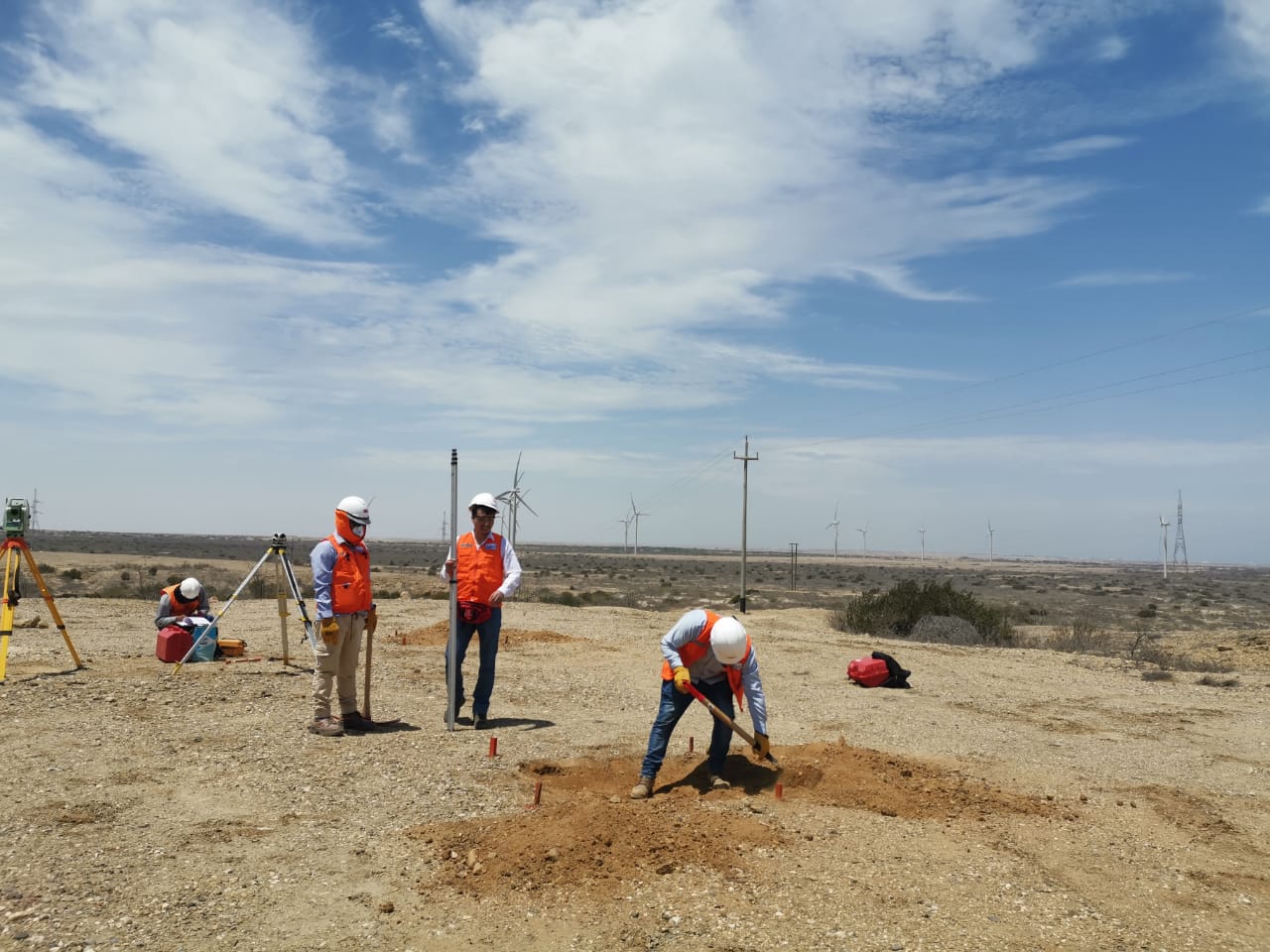
1. Depth to load bearing soil. This is the largest single swing factor and the one nobody can price precisely before installation starts. A pile that finds competent soil at twelve feet costs far less than the same pile that takes thirty two feet to get there. Extensions typically add $20 to $25 per linear foot beyond the quoted standard depth. Geotechnical data compresses this uncertainty, which is why it pays for itself on anything larger than a deck.
2. Required capacity. Higher design loads require thicker shaft wall, larger shaft diameter, and more or larger helix plates. A pile carrying 20 kips and a pile carrying 100 kips are different products at different prices.
3. Pile count and mobilization. Getting a track machine with a hydraulic drive head to the site costs the same whether it installs four piles or forty. Projects above roughly thirty piles see meaningfully lower per pile rates because that fixed cost spreads out. Batching work into one visit rather than three is the easiest money a project can save.
4. Site access. A machine that drives straight onto open ground is the cheap version. Interior basement work, tight side yards, low overhead clearance, marine access, and slope work all require smaller equipment, more hand labor, and more hours per pile.
5. Corrosion protection. Hot dip galvanizing to ASTM A123 adds cost against bare steel and is standard practice in aggressive soils, coastal environments, and any project where design life is measured in decades rather than years. Skipping it to win a bid is a real practice and a bad trade.
6. Bracket and termination type. New construction caps are simple. Retrofit underpinning brackets carry the structure's load through an eccentric connection and cost more for good reason. Pile caps, grade beam connections, and slope brackets each carry their own line item.
7. Engineering, testing, and permits. Stamped drawings, load testing, and municipal inspection are project costs, not overhead. On testing specifically: a tension test loads against the ground and needs one pile, while a compression test needs reaction anchors around the test pile, so it typically requires five installed piles to run one test. Where the design allows it, tension testing delivers verification at a fraction of the cost.
04How much of the cost is the pile itself?
Less than most buyers assume. On a foundation repair pier, material commonly represents fifteen to twenty five percent of the installed price. The rest is labor, equipment, excavation, engineering, and mobilization.
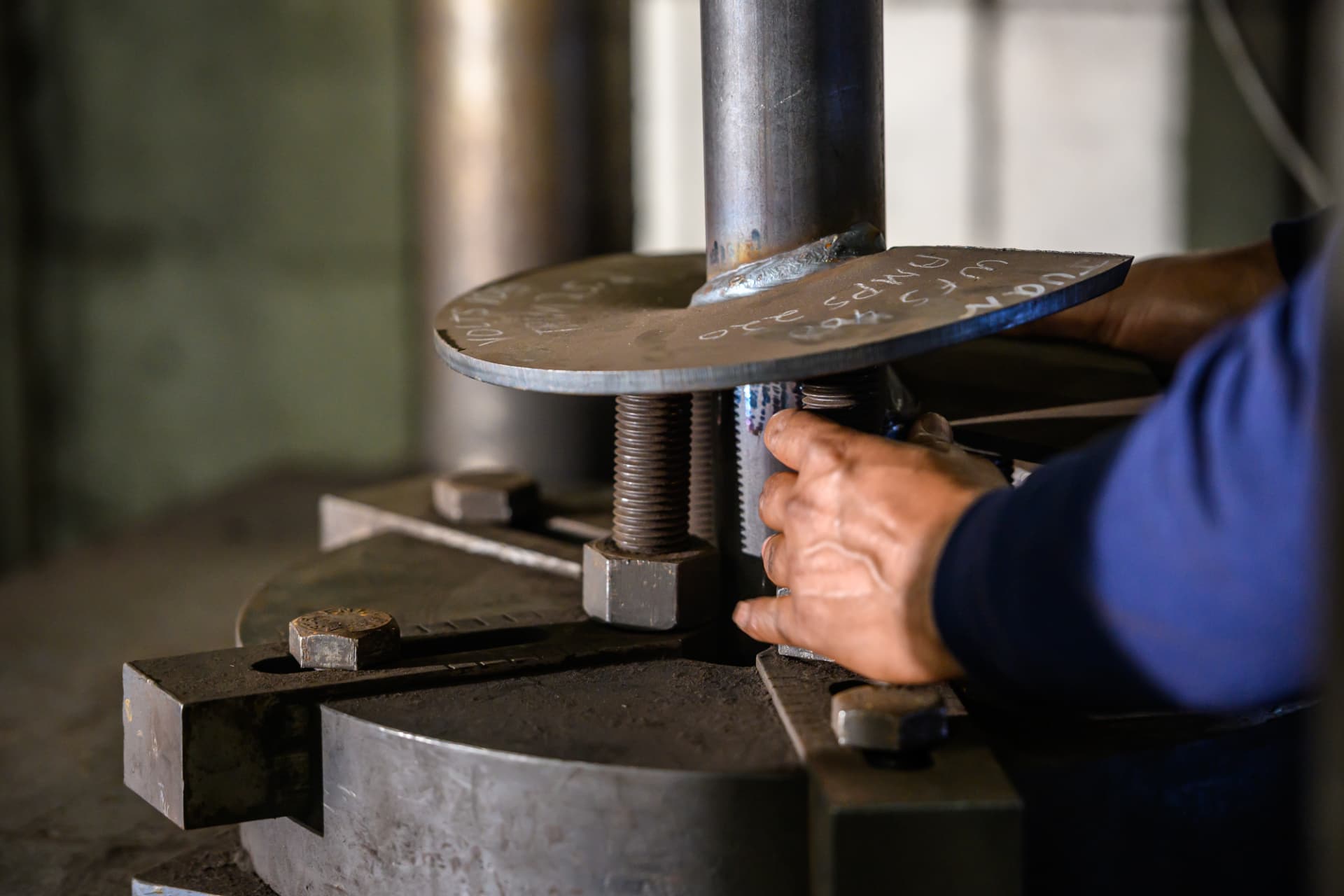
This matters for one practical reason. When a contractor shaves cost by specifying lighter steel, thinner wall, or a welded connection with less capacity than the design calls for, the savings passed to the project are small and the risk added is not. Shaft failure at the coupling is the failure mode that ends projects, and it does not show up on the quote sheet.
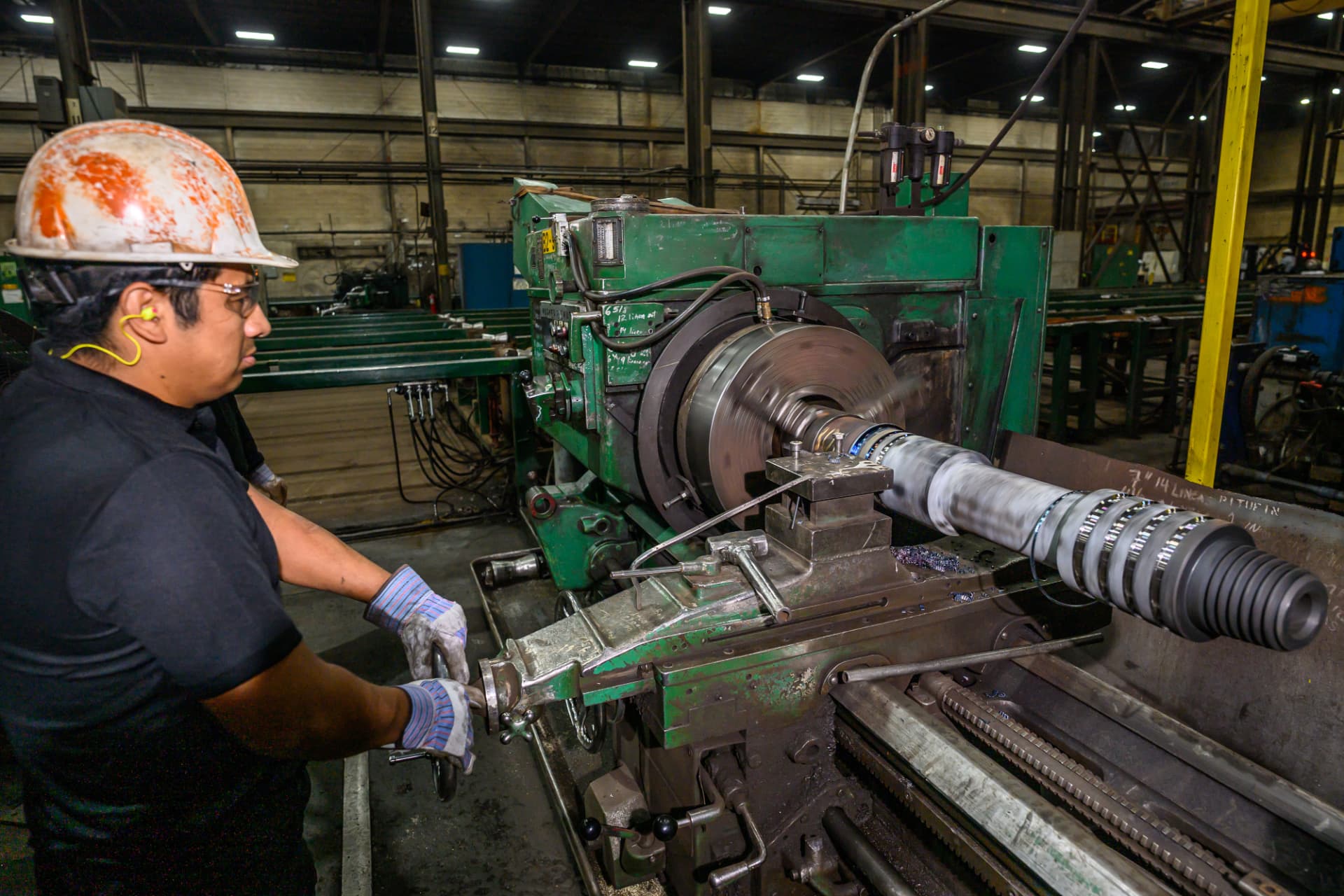
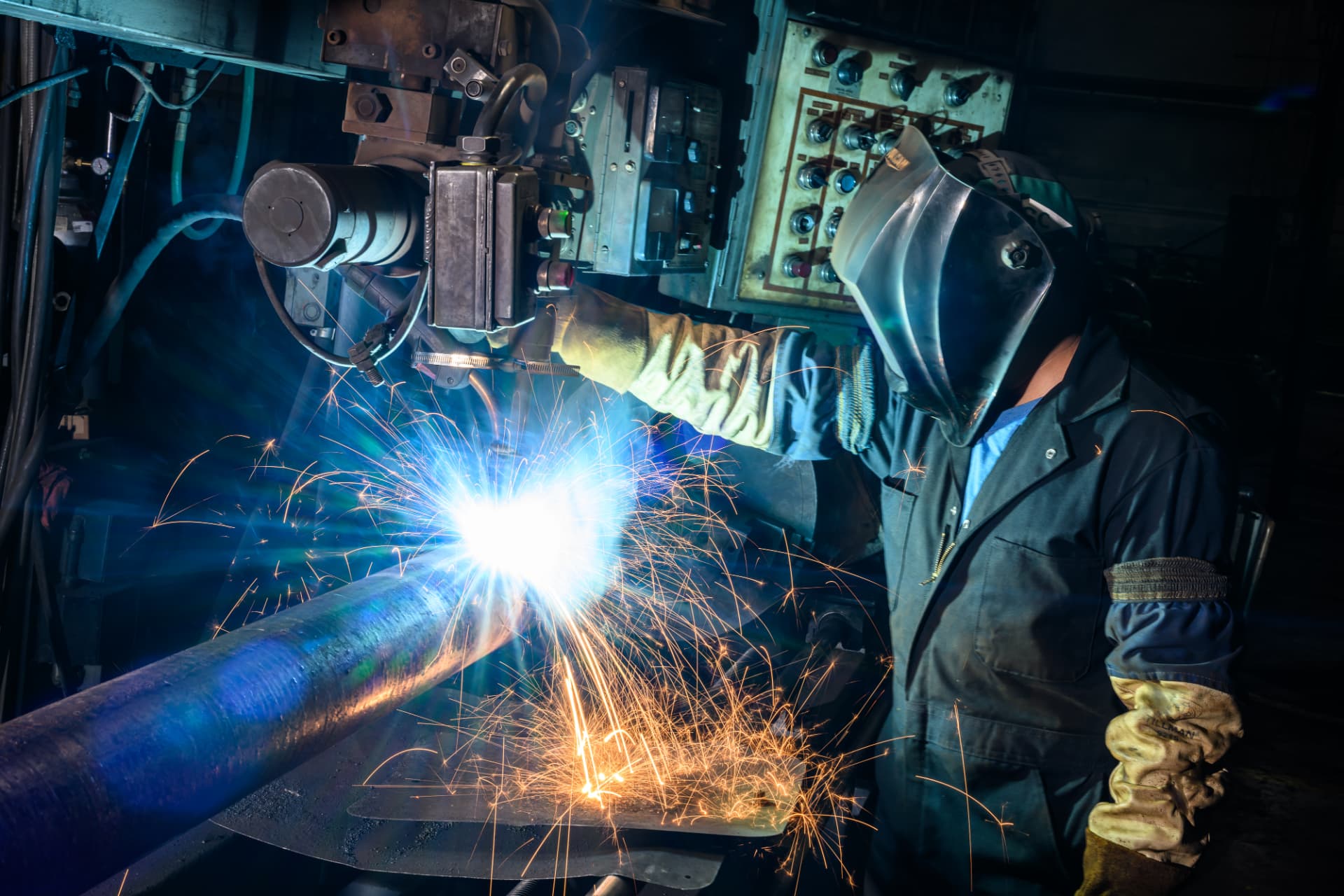
Our products are built around that exact concern. Every Helical Anchors shaft is joined by patented inertia welding, a friction welding process that forges a full cross section bond rather than depositing a bead around a joint. It is the reason our piles carry the torque ratings they do and the reason a spec that names us tends to stay named through value engineering. What to interrogate before specifying any manufacturer is covered in How to Choose a Helical Pile Manufacturer.
05How do helical piles compare on total cost?
Against concrete piers on light structures, helical typically wins on total project cost once you count excavation, spoil removal, forming, concrete, and the cure time that keeps the site idle. Helical piles carry load the day they are installed.
Against driven piles on large open sites with high pile counts, driven work often wins on unit price. Against drilled shafts under extreme single point loads or where rock sockets are required, drilled shafts remain the right tool and the right number.
Helical wins decisively on restricted access, on schedule sensitive work, on sites where vibration threatens neighboring structures, and on any project where verified capacity per pile matters more than raw unit price.
06What should you check before accepting a quote?
Five things separate a real quote from a number designed to win a bid.
Ask whether the depth clause is capped. Some quotes include a stated standard depth and bill extensions beyond it. Others cap the price regardless of depth. Both are legitimate. Not knowing which one you signed is the problem.
Require torque logs. Installation torque correlates directly to capacity through the manufacturer's torque correlation factor, generally between 8 and 12 for common shaft sizes. A pile finishing at 5,000 foot pounds with a factor of 10 indicates roughly 50,000 pounds of ultimate capacity. A quote that does not include documented torque readings per pile is a quote with no proof of performance attached.
Confirm the corrosion spec in writing. Bare versus galvanized, and to which ASTM standard.
Check code listing. Helical Anchors products are listed under ICC-ES ESR-3982, which is what lets an inspector approve the system without a project specific evaluation. Full data lives in our technical library.
Compare identical scopes. Three quotes with different pile counts, different depths, and different brackets are not three prices for the same job. They are three different jobs.
Cost is where most foundation projects get decided, and it is also where they get decided badly. The cheapest pile on the bid sheet and the cheapest project rarely turn out to be the same thing.
Our engineering team works directly with contractors and design professionals on capacity, layout, and specification. Bring us the soil report and the loads. Request a quote and we will tell you what the job needs.
Settlement damage on an existing structure is a different pricing conversation. That one is covered in Foundation Settlement? How Helical Piers and Underpinning Stop It for Good.
Frequently Asked Questions
Between $350 and $900 for typical new construction work such as decks and additions, and between $2,000 and $4,000 for foundation repair piers. Application, depth, and capacity account for nearly all of the difference.
Most residential projects use five to ten piers and total $15,000 to $30,000. Pier count depends on the length of the settling area and how the structure distributes load, so an on site structural assessment is what produces a real number.
On light and mid scale structures, generally yes once excavation, spoil removal, concrete, and cure time are counted. On very large single point loads, drilled concrete shafts remain more economical per unit of capacity.
Because they are frequently pricing different scopes. Differences in assumed depth, shaft diameter, helix configuration, corrosion protection, bracket type, and whether engineering and load testing are included can move a quote by thousands before anyone's margin is considered.
Yes, in materials and installation time. Extensions typically add $20 to $25 per linear foot. Depth is driven by where competent soil sits, not by preference, which is why geotechnical data ahead of the bid is the most reliable way to control cost.